
A FIELD GUIDE TO THE ORTHODOX CHURCH
Your First Divine Liturgy
One page. Print it, fold it, keep it in your pocket.
Before you go. Dress modestly, as if meeting someone important who also loves you. No shorts. Men: no hats inside. Women: modest skirts or trousers are accepted in many parishes; local expectations about trousers and head coverings vary. Check visitor guidance, especially at a monastery, or quietly ask. Check the service name beside the time. Matins (Orthros) or the Hours may precede Liturgy; a time labeled "Divine Liturgy" is its start. If you arrive late, come in quietly. Nervous about Sunday morning? Saturday-evening Vespers is the gentlest first visit there is: short, quiet, and no Communion line (Vespers, Vigil, and the Daily Round).
For planning, allow roughly an hour and a half to two hours for an ordinary Sunday Liturgy itself; local practice can be shorter or longer. Matins or the Hours before it, a memorial afterward, and optional coffee hour add time. For Holy Week, Pascha or a bishop's visit, check the special schedule rather than count on this estimate.
Visiting in Lent? The Church Year explains the preparatory Sundays, Forgiveness Vespers and weekday services; check the parish's Holy Week schedule separately.
In the narthex. Turn your phone all the way off, not to vibrate. Light a candle and kiss or bow to the icon by the door if you'd like; it's optional for visitors. Then go in quietly and stand toward the back, along a side aisle, or wherever there's room. Keep doorways clear and sit when you need to. If the Gospel is being read, or a procession or the censer is coming your way, wait at the door until it passes. Ask before taking photos; many parishes don't allow them during services.
During the service.
- 1BEFORE LITURGY: Matins (Orthros) or the Hours may be underway; check the parish schedule and come in quietly.
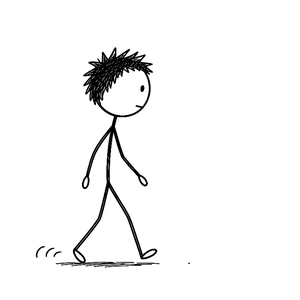
- 2"Blessed is the Kingdom": the Liturgy begins.

- 3Hymns and litanies: "Lord, have mercy" is the people's part.
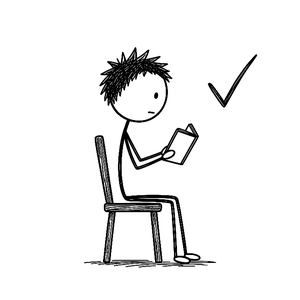
- 4SMALL ENTRANCE: the Gospel book processes.

- 5Epistle, Gospel, homily: stand for the Gospel if you can. For the Epistle and sermon, follow local practice; sit when needed. The homily may come later.
- 6GREAT ENTRANCE: bread and wine carried in, not yet consecrated.

- 7The Creed: "I believe..." said or sung by everyone.
- 8COMMUNION: prepared Orthodox come forward, arms crossed; visitors stay in place and pray.

- 9Blessing and dismissal: "We have beheld the true Light."
- 10Kiss the cross, take the blessed bread, coffee hour.
Communion. For Orthodox Christians who have prepared. Visitors are welcome at everything else.
After. Line up to kiss the cross and take the blessed bread (antidoron). It isn't Communion, and in most parishes it's offered to visitors too. Then coffee hour. Go. Someone will ask, "Are you visiting?" and mean it kindly. Still choosing a church? How to Find a Parish, and Next Steps helps.
Crossing yourself is optional for visitors throughout. Standing when others stand is enough.
Nobody expects you to know any of this. Stand when they stand, sit when you're tired, and watch. You're a guest, and you're welcome. Just come and see.