

PART FIVE · 25 ENTRIES
The Week and the Year
- 1Vespers, Vigil, and the Daily RoundThe Church's day begins at sunset with Vespers; on Saturday nights and the eves of feasts it grows into the Vigil, and the Hours and Compline fill in the rest of the day.
- 2Other Services You'll MeetBesides the Liturgy, Vespers and Matins, parishes serve the Presanctified Liturgy on Lenten weekdays, the Akathist and the Paraklesis to the Theotokos, the moleben for particular needs, and the litiya on the eves of feasts.
- 3The Church Year: Feasts, Fasts, and Pascha Every SundayThe Orthodox year turns on Pascha, with twelve Great Feasts, four fasting seasons, a weekly cycle in which every Sunday is a feast of the Resurrection, and a liturgical new year on September 1. Includes a first-visit orientation to Lent, from the preparatory Sundays and Forgiveness Vespers to the weekday services and Holy Week.
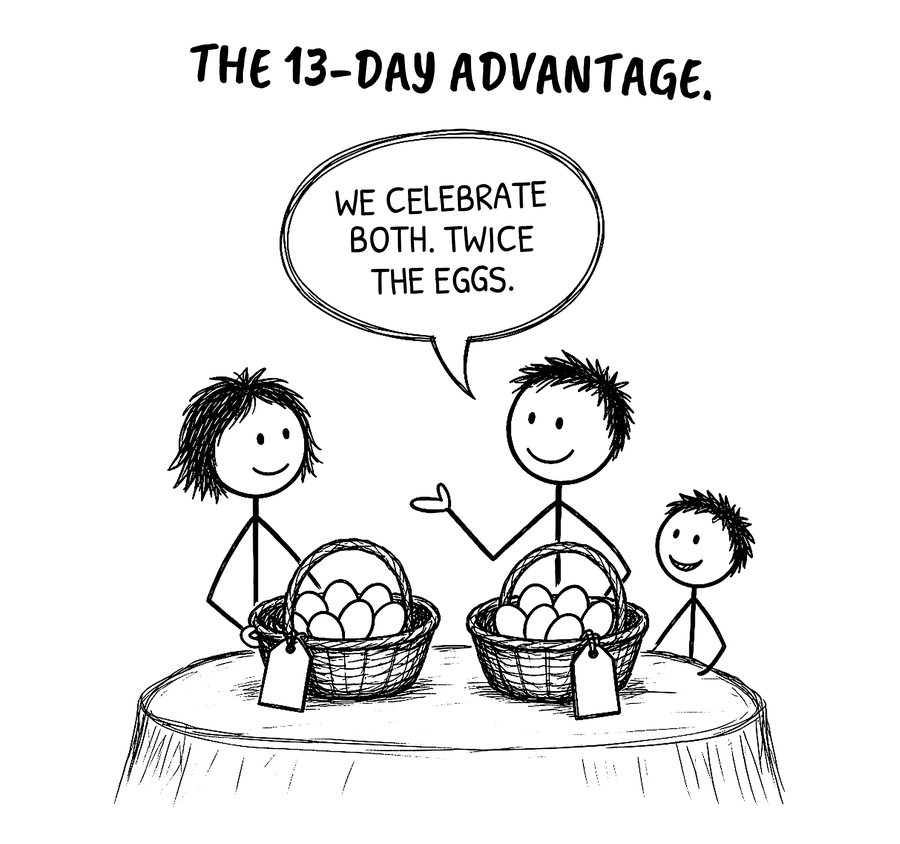
- 4Why Is Orthodox Easter on a Different Date?East and West use the same basic rule for Easter but different calendars and moon tables, so Orthodox Pascha usually falls later, sometimes on the same Sunday; separately, some Orthodox churches keep the fixed feasts on the Julian calendar, thirteen days behind.
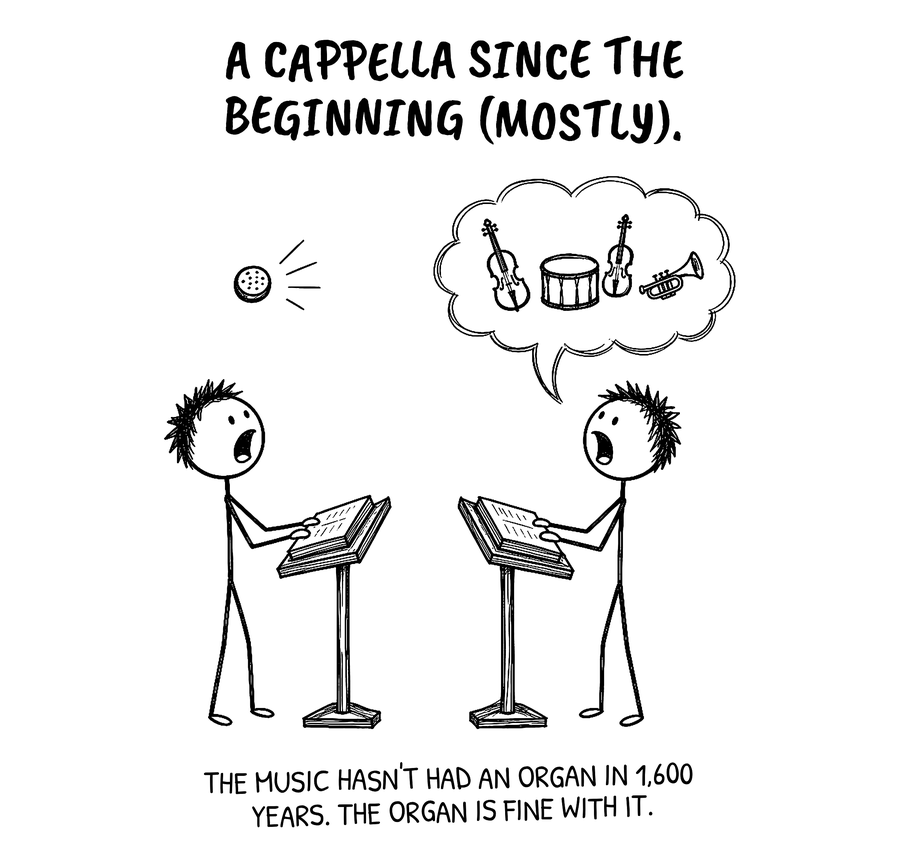
- 5Why Orthodox Music Sounds Like ThatOrthodox services are sung almost entirely, by unaccompanied voices, in a system of eight tones that changes week by week; the Byzantine and Slavic traditions sound different but do the same job.
- 6The Nativity of the Theotokos: A Sparrow's Nest and a Baby GirlOn September 8, the first Great Feast of the Church's year, the Orthodox Church keeps the birth of Mary to Joachim and Anna, an old childless couple, because her birth means her Son is on the way.
- 7The Elevation of the CrossOn September 14 the Orthodox Church keeps the Elevation of the Holy Cross, remembering Saint Helen's discovery of the True Cross and lifting the Cross before the people as a sign of victory, not defeat, and as the pattern for daily Christian life.
- 8The Nativity Fast: Come and SeeThe Nativity Fast runs forty days, November 15 to December 24, starting the morning after the feast of the Apostle Philip; it's gentler than Great Lent, and its Sunday readings before Christmas are about who gets invited.
- 9The Entry of the Theotokos into the Temple: Dancing on the Third StepOn November 21, early in the Nativity Fast, the Orthodox Church keeps the day the three-year-old Mary was brought into the Temple, and sings of her as the living Temple and the Ark of God.
- 10The Nativity of Christ: Christ Is Born, Glorify HimOn December 25 the Orthodox Church keeps the Nativity of Christ, the Word made flesh, after the Nativity Fast, with services from the forefeast on December 20 through December 31 and a hymn whose first line echoes a Christmas sermon Saint Gregory the Theologian preached around 380.
- 11Theophany: Christ's Baptism and the Blessing of the WatersOn January 6 the Orthodox Church keeps Theophany, Christ's baptism in the Jordan and the revealing of the Holy Trinity, closes the twelve days of Christmas, blesses water, and sends people home with it as a sign that in Christ all creation begins to be made new.
- 12The Meeting of the Lord: The Waiting Is the Hardest PartOn February 2, forty days after Christmas, the Orthodox Church keeps the day Mary and Joseph brought the infant Christ to the Temple and the old man Simeon took Him in his arms and asked God to let him depart in peace.
- 13Forgiveness Sunday: Packing for PaschaGreat Lent opens on Forgiveness Sunday, when the Gospel of Matthew 6:14-21 gives three things to pack for the road to Pascha, forgiveness, fasting, and treasure, and the parish asks one another's forgiveness before anyone gives up a single cheeseburger.
- 14Great Lent: The Season, Sunday by SundayGreat Lent is the Church's yearly season of repentance, prayer, fasting, and almsgiving before Holy Week and Pascha, opened by four pre-Lenten Sundays, kept together as a parish, and aimed at baptism and the Resurrection rather than at a diet.
- 15The Prayer of Saint EphraimThe Prayer of Saint Ephraim the Syrian is the short Lenten prayer said with bows and prostrations at church and at home, asking God to take away four foes of the soul, give four virtues in their place, and grant us to see our own sins rather than judge our neighbor.
- 16Saint Gregory Palamas SundayOn the Second Sunday of Great Lent the Church honors Saint Gregory Palamas, the fourteenth-century monk and bishop who defended the hesychasts' prayer and taught that God, beyond knowing in His essence, truly gives Himself to us in His energies, which is what Lent is for.
- 17The Annunciation: The Day God Waited for a YesOn March 25, usually in the middle of Great Lent, the Orthodox Church keeps the day the angel Gabriel brought Mary the news that she would bear the Son of God, and she answered, "Let it be to me according to your word."
- 18Palm Sunday: The Lord Has Need of ItOn the Sunday before Pascha, the day after Lazarus Saturday, the Orthodox Church keeps Christ's entry into Jerusalem on a borrowed colt, blesses palms, and sings the crowd's Hosanna before Holy Week begins that evening.
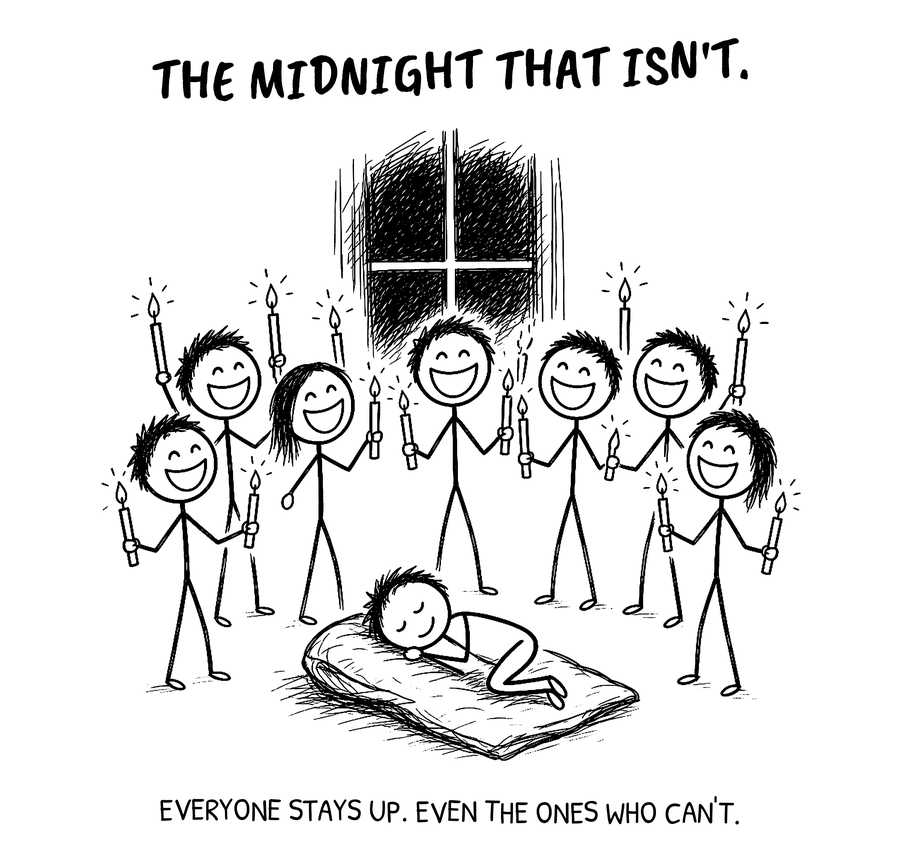
- 19Holy Week and PaschaHoly Week walks day by day from Palm Sunday through the Cross and the tomb to the midnight Resurrection service of Pascha, the oldest and largest feast of the Christian year.
- 20The Ascension: Why Are You Standing There Looking Up?On the fortieth day of Pascha, always a Thursday, the Orthodox Church keeps Christ's ascension into heaven in His glorified human body, a goodbye the disciples met with great joy because He went up without leaving them.
- 21Pentecost: Drunk at Nine in the MorningOn the fiftieth day of Pascha the Orthodox Church keeps the coming of the Holy Spirit on the apostles, the day the Church was founded, and ends fifty days of standing with Kneeling Vespers right after the Liturgy.
- 22The Apostles' Fast: The Fast That Changes SizeThe Apostles' Fast begins the Monday after the Sunday of All Saints and runs to the feast of Saints Peter and Paul on June 29, so its length changes with the date of Pascha; it's a sending fast, kept the way the apostles fasted before they sent out missionaries.
- 23The Dormition FastThe Dormition Fast runs for two weeks from August 1 to the feast of the Theotokos's falling asleep, a season of prayer, fasting, and repentance in which the Church looks to Mary as the house that the Wisdom of God built, and many parishes read the Wisdom of Sirach.
- 24The Transfiguration: Meanwhile, at the Bottom of the MountainOn August 6, in the middle of the Dormition Fast, the Orthodox Church keeps Christ's Transfiguration on the mountain, and the Gospels' next scene below it, where nine disciples learned that some things move only by prayer and fasting.
- 25The Dormition of the Theotokos: More Truly a Going HomeOn August 15, the last Great Feast of the Church's year, the Orthodox Church keeps the falling-asleep of the Mother of God as a feast, because, as Saint John of Damascus put it, her death was "more truly a going home."